Bouncing to New Heights: The Rise of Trampoline and Tumbling as Competitive Sports

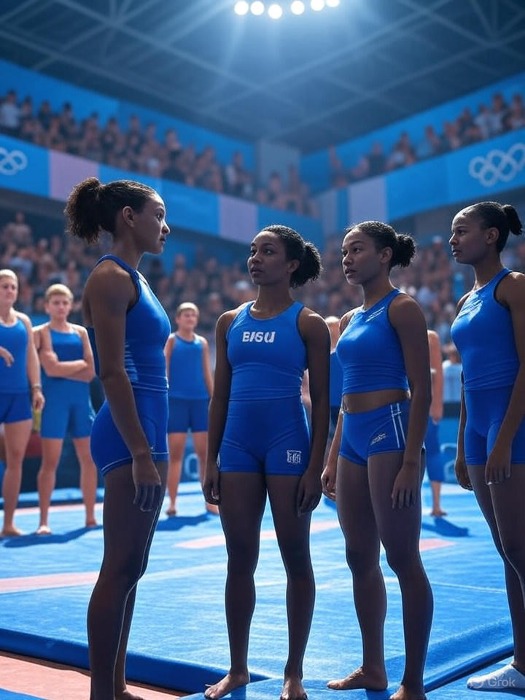
In an era where athleticism meets aerial artistry, trampoline and tumbling are soaring into the spotlight. Once dismissed as mere backyard fun or circus novelties, these disciplines have transformed into high-stakes competitive sports, captivating audiences at global events like the Olympics and World Championships. With gravity-defying flips, twists, and precision landings, athletes are pushing the boundaries of human capability, drawing in fans and participants worldwide.
The journey of trampoline from recreational pastime to Olympic glory is a tale of innovation and perseverance. Invented in the 1930s by American gymnast George Nissen as a training tool for acrobats and pilots, the trampoline quickly gained traction in educational and circus settings. By the 1940s, it had evolved into a formal competitive sport in the United States, with the first unofficial national competition held in 1947 and official championships following in 1954. The international stage beckoned in 1964, when the inaugural World Championships took place in London, featuring athletes from 11 countries. This event marked a pivotal shift, elevating trampoline from casual bouncing to a structured discipline emphasizing height, control, and complexity.
Tumbling, often paired with trampoline under the umbrella of Trampoline Gymnastics by the International Gymnastics Federation (FIG), has its own rich history rooted in ancient acrobatics. Dating back to practices in ancient Greece and evolving through circus performances, tumbling as a modern competitive sport gained momentum in the mid-20th century. Performed on a 25-meter sprung track, it involves a series of explosive flips, somersaults, and twists without apparatus, demanding raw power and speed. While it made a brief Olympic appearance in 1932 as part of men's artistic gymnastics and served as a demonstration event in 1996 and 2000, tumbling has yet to secure a permanent spot in the Games. However, its inclusion in the FIG World Championships since the 1970s has solidified its status as a elite pursuit.
The turning point for trampoline came in 1999 when it joined the FIG, paving the way for its Olympic debut at the 2000 Sydney Games. Since then, the sport has featured individual events for men and women, with synchronized trampoline and double mini-trampoline (DMT) adding variety to World Championships. Tumbling, too, has benefited from this framework, often competing alongside trampoline in multi-discipline events. The FIG's integration has fostered technical advancements, such as improved equipment and scoring systems that reward difficulty, execution, and artistry.
What fuels this surge in popularity? Experts point to the accessibility and thrill factor. Trampoline parks have exploded globally, introducing millions to the basics while inspiring competitive aspirations. In the U.S. alone, the sport's governing bodies report growing youth participation, with athletes starting as young as 10 and progressing to world-class levels by their teens. Social media amplifies the spectacle, showcasing jaw-dropping routines that go viral, attracting sponsors and media coverage.
On the international front, countries like China, Russia, and Canada dominate, but emerging nations are closing the gap through dedicated programs. The 2024 Paris Olympics highlighted trampoline's appeal, with record viewership for gravity-defying performances. Looking ahead, advocates push for tumbling's Olympic inclusion, potentially expanding the discipline's reach.
As these sports continue to evolve, they embody the spirit of innovation—turning simple bounces and tumbles into feats of athletic excellence. Whether in a local gym or on the world stage, trampoline and tumbling are proving that the sky's not the limit; it's just the starting point.